Downloading a new operating system update for your phone can involve changes small or large, depending on the update. Some might patch software that’s otherwise invisible to most users; others can make profound changes in the user interface. But whatever the scale of these updates, they have one thing in common: they can’t add or remove physical features to your phone’s hardware.
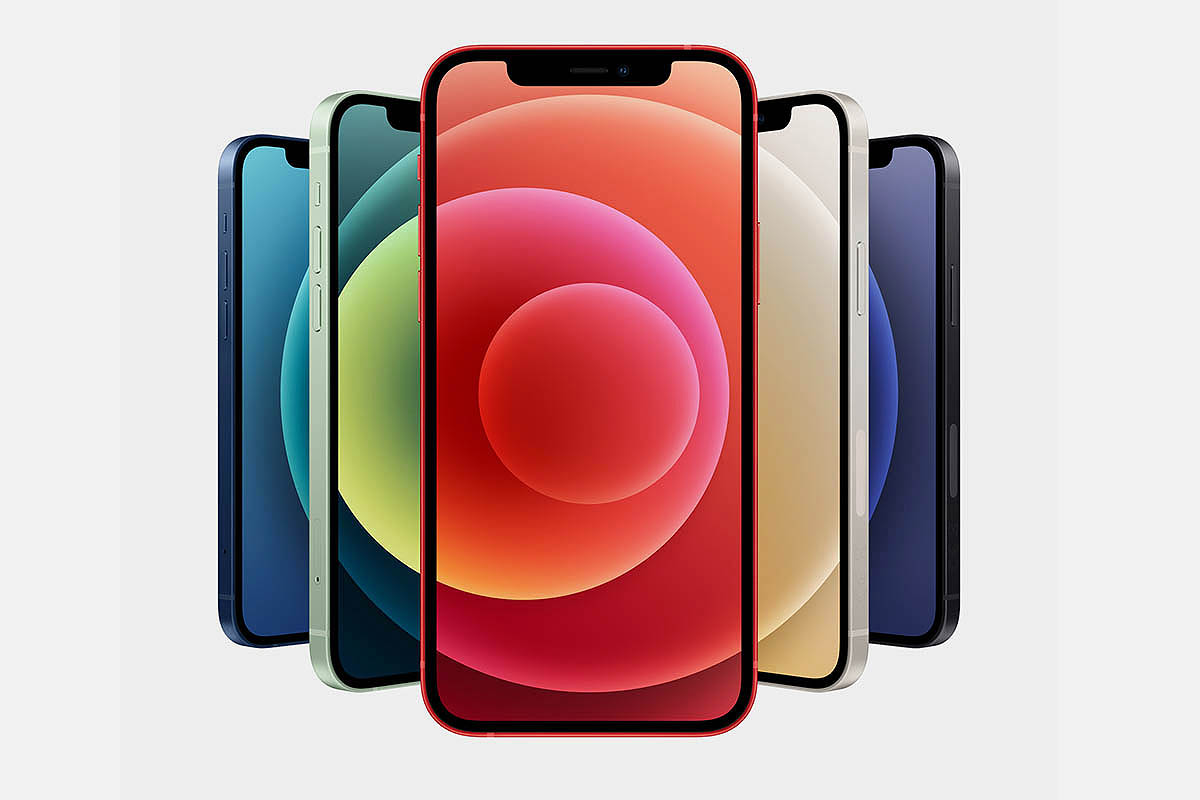
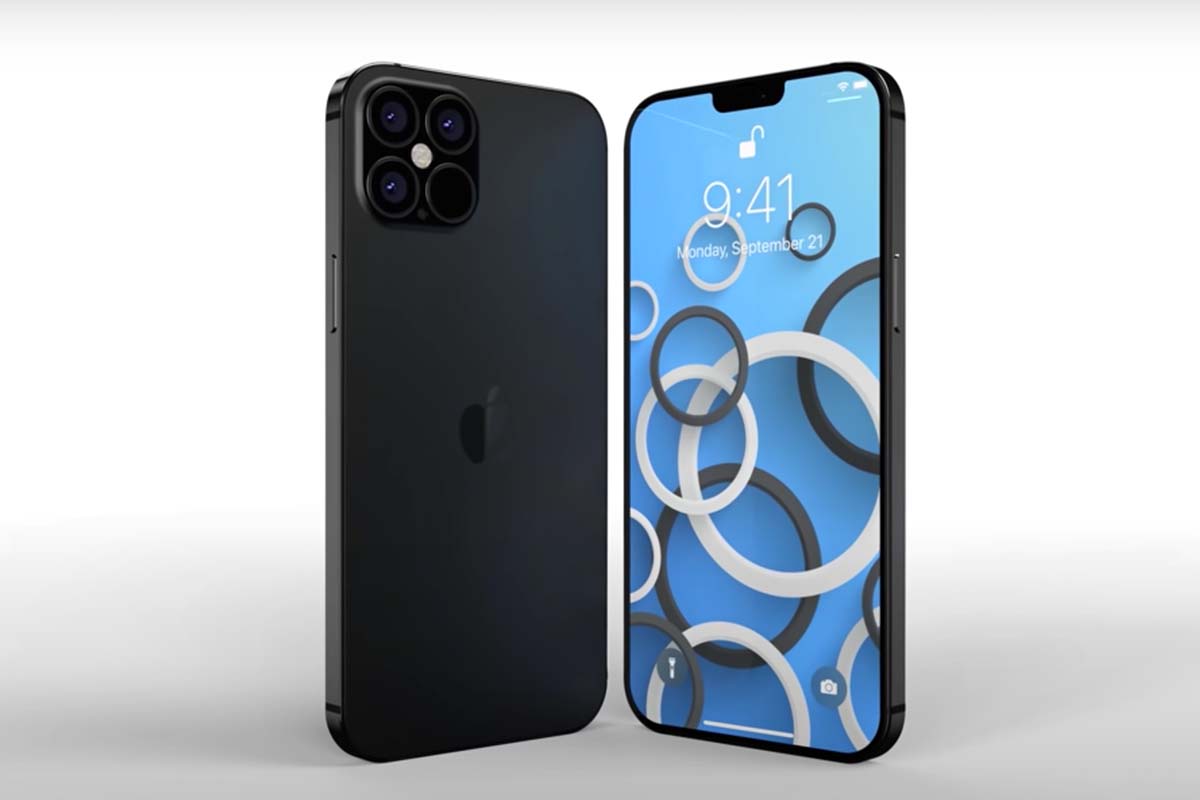
At least, that’s been the case up until now. But a new article at The Verge explores how this might be changing, beginning with iOS 14. The article, by Chaim Gartenberg, discusses a new feature that debuted in iOS 14: Back Tap.
Described at something that “blurs the line between hardware and software,” Back Tap is exactly what it sounds like — a feature which allows users to associate certain actions with double- or triple-tapping the backs of their phones. Apple isn’t the only company looking into such features; Gartenberg writes that Google had explored a similar update for Android 11, though it ultimately wasn’t included.
Making a smartphone respond to input from a place other than the touchscreen feels like a bold decision, though it’s also entirely of a piece with other developments in interface design — from shaking a phone to enable certain features to the increasing number of gestures a phone can respond to. The buttons and touchscreen on a smartphone may be the primary ways with which you interact with it, but they’re increasingly far from the only ones.

More Like This
From bleeding-edge menswear and wellness reportage to dining, dating, culture critique and beyond, all brought to you in their respective fields. Choose your favorites and sign up now.